The Unspoken Truth: Why Some Still Long for a Different GDR Future
The mere mention of longing for the German Democratic Republic (GDR) can elicit a strong, often negative, reaction in contemporary Germany. It’s a sentiment often dismissed as misguided nostalgia, or worse, a willful ignorance of a repressive past. Yet, beneath the surface of official narratives and public discourse, a quiet yearning persists among some, not for the Stasi state or the Berlin Wall, but for a fundamentally different, improved vision of what the GDR could have been. This isn't a wish for a return to authoritarianism, but rather a reflection on the unfulfilled potential for a transformative Letzte Veränderung Der Ddr – a final, profound change that was hoped for but never materialized.
For those who articulate this complex feeling, it’s often a personal longing for "their GDR," distinct from the historical entity documented in textbooks. It represents a hope for a more humane, socially just, and ultimately livable country, born from the ideals that, for many, were betrayed by the regime's oppressive reality. Understanding this sentiment requires moving beyond a black-and-white portrayal and delving into the nuanced layers of individual experience, collective memory, and the stark contrast with the capitalist system that emerged after 1989.
The Unspoken Longing: A Personal GDR, Not the Official One
Imagine expressing a desire for a bygone political system, knowing full well it was a dictatorship, yet feeling compelled to voice it. This is the tightrope walked by individuals who admit to missing "their GDR." As one candid voice expressed, it's a statement made with the full awareness of its taboo nature, especially for anyone in a position of public responsibility. Yet, for those without such constraints, the freedom to speak this truth is a powerful act.
This personal "GDR" is not an endorsement of the Stasi's omnipresent surveillance, the restrictions on travel, or the lack of democratic freedoms. Instead, it embodies a fervent hope for internal reform – a desire to mold the existing socialist framework into something genuinely "lebens- und liebenswerter," more livable and lovable. This aspiration for a Letzte Veränderung Der Ddr was, for many, infinitely preferable to the "triste Kapitalismus" (dull capitalism) that replaced it, often characterized by perceived social insecurity and the dominance of private capital. It speaks to a profound disillusionment with the post-unification reality, prompting a re-evaluation of what was lost, even amidst the gains.
The longing isn't for the concrete details of the past, but for the abstract promise of a different path. It's the conviction that, given the chance, the GDR could have evolved into a democratic socialist state, balancing collective welfare with individual liberties. This ideal stands in stark contrast to the historical GDR, highlighting a poignant disconnect between vision and reality, and between individual hope and systemic failure.
Beyond Ideology: The Allure of Social Welfare and Collective Security
To truly grasp why some might harbor this longing, it’s essential to look beyond purely ideological lenses and consider the practical benefits and social warmth certain regimes, even authoritarian ones, can cultivate. Historian Götz Aly, in a provocative analysis of Nazi Germany, highlighted how regimes can secure popular appeasement not just through terror, but through perceived social benefits. While the comparison between the GDR and Nazi Germany is profoundly sensitive and should never equate their atrocities, Aly's observation provides a crucial lens for understanding how perceived state welfare can foster a sense of security and belonging, even within a non-democratic system.
The GDR, despite its flaws, was characterized by a comprehensive social safety net. Full employment was largely guaranteed, housing was affordable (though quality and availability varied), and essential services like childcare, healthcare, and education were universally provided at low or no cost. For many citizens, this created a sense of collective security and predictability, a feeling of being "looked after" by the state, however paternalistic. These were concrete advantages that resonated deeply with the populace, especially the "kleiner Mann" (common person).
The challenge for many who lived through the transition was reconciling the undeniable gains in freedom with the perceived loss of this social security. The shift to a market economy brought increased personal liberty, but also unemployment, social stratification, and the pressures of individualistic competition. For some, the hope for a Letzte Veränderung Der Ddr was precisely a desire to preserve the best aspects of socialist welfare while shedding the oppressive elements. This sentiment is often explored in discussions around GDR Nostalgia: Why Hope for Change Outweighed Capitalism, where the emotional weight of perceived social benefits often outweighed the frustrations of daily life under the regime.
Distinguishing Between Systems: Lessons from History
Aly's work provocatively illustrated how even deeply condemned regimes, like Nazi Germany, implemented extensive social reforms, often at the expense of marginalized groups, to secure the loyalty of the majority. Child benefits, tax breaks for families, and even debtor relief were hallmarks of a system that aimed to create a "feel-good dictatorship" for its beneficiaries. This historical parallel serves not to justify or diminish the unique horrors of either the Nazi regime or the GDR, but to highlight a universal sociological principle: perceived social and economic stability, even if selectively applied and enforced through coercion, can garner significant public support and create a deep-seated attachment among certain segments of the population.
Applying this lens to the GDR, it helps explain why some former citizens might genuinely recall positive aspects related to job security, affordable living, and community support, even while acknowledging the regime's oppressive nature. These are not mutually exclusive memories. The human experience of living under any system is multi-faceted, encompassing both hardships and perceived comforts. The longing for a Letzte Veränderung Der Ddr, therefore, is often a desire to retain the "comforts" while eliminating the "hardships," a wish for a hypothetical middle ground that was never achieved.
The Unfulfilled Promise: What Could a Transformed GDR Have Been?
The concept of a Letzte Veränderung Der Ddr speaks to a yearning for a "third way" – an alternative path that avoided both the rigid, Soviet-style communism and the perceived excesses of Western capitalism. This envisioned transformation might have involved a true democratization of political structures, allowing for multi-party systems, freedom of speech, and open elections, but within a framework that prioritized social equality, collective ownership, and extensive public services.
Imagine a GDR where the economy was reformed to be more responsive to consumer needs, fostering innovation and quality goods, but without sacrificing universal access to essentials. A state where individual freedoms were respected, but where a strong social safety net prevented extreme poverty and unemployment. This "ideal GDR" would have been a nation that learned from its mistakes, embraced transparency, and evolved into a truly democratic socialist state, balancing the needs of the individual with the welfare of the community. This hypothetical future, born from the hopes of the late 1980s reform movements, was a dream that never came to fruition, ultimately superseded by unification. The complexities of this lost potential are often central to discussions around GDR's Lost Hope: Reassessing Socialism vs. Post-Wall Capitalism.
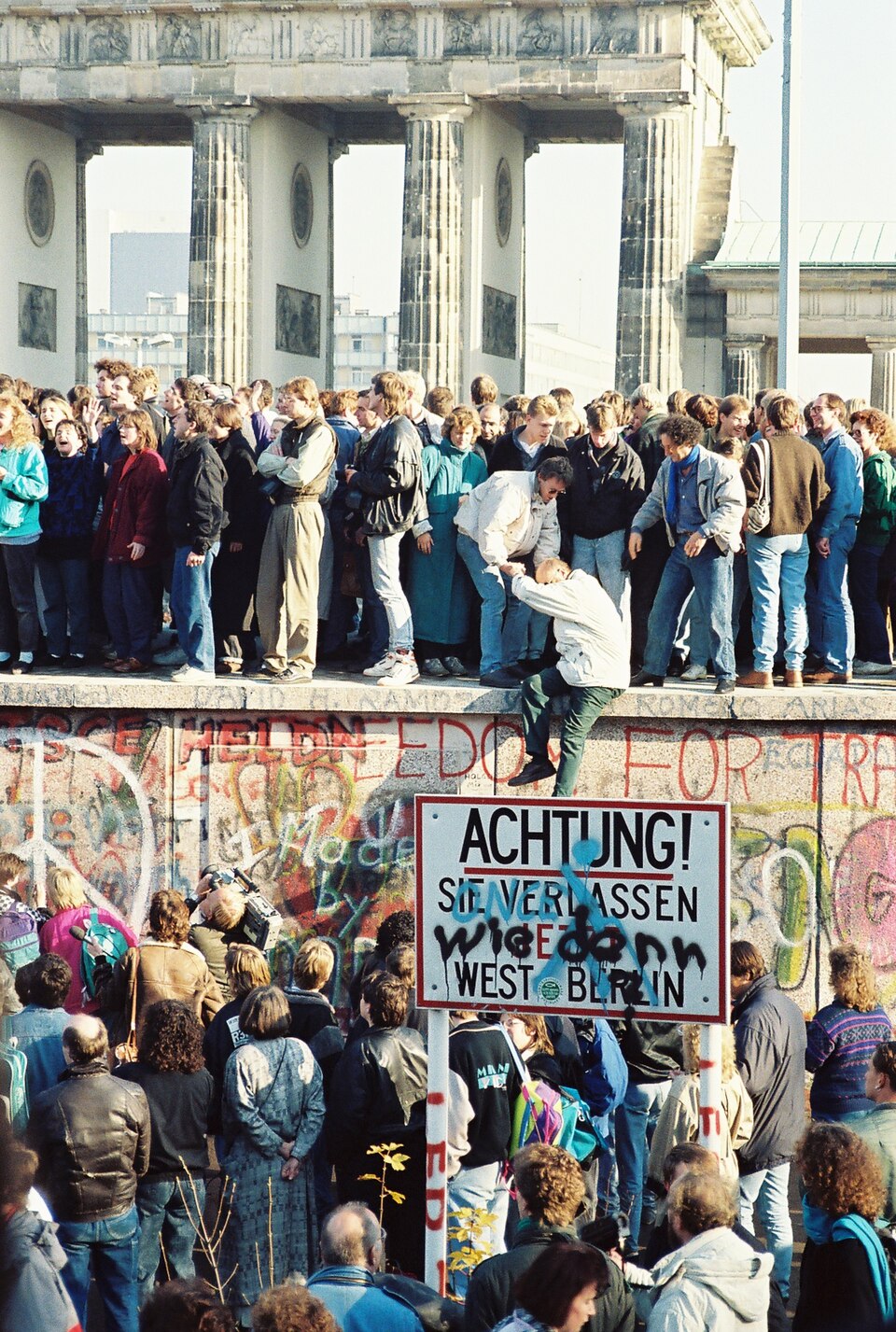
For those who carry this longing, the fall of the Berlin Wall, while bringing undeniable freedoms, also represented the end of this particular dream. The opportunity for an internal, self-determined transformation was lost, replaced by an absorption into a different, already established system. It's the grief for an unfulfilled promise, a path not taken, that continues to resonate.
Navigating Nostalgia in Modern Germany
Expressing "Ostalgie" (nostalgia for the East) in modern Germany is a minefield of historical sensitivities. The undeniable atrocities of the GDR regime – the Stasi, the Wall, the suppression of dissent – rightly dominate the historical narrative. However, recognizing the validity of personal experiences and complex sentiments is crucial for a complete understanding of German history and identity. It is possible to condemn the totalitarian aspects of the GDR while also acknowledging that for many, life within its borders was not solely defined by terror. It included community, a sense of purpose, and a degree of social security that is sometimes missed today.
Tips for understanding these complex sentiments:
- Distinguish between systems and experiences: Acknowledge that an individual's positive memories of community or job security do not equate to an endorsement of the regime's human rights abuses.
- Encourage open dialogue: Create spaces where diverse historical perspectives can be shared and discussed respectfully, without immediate judgment or politicization.
- Focus on learning: Understand that these longings often stem from a desire for social justice, security, and community – universal human needs that every society strives to fulfill. We can learn from what was desired, even if the system that attempted to provide it was flawed.
- Emphasize historical context: Always ground discussions in the full historical reality of the GDR, including its oppressive elements, to avoid romanticizing the past.
Conclusion
The longing for a "different GDR future" is not a simple wish to rewind time or reinstate an oppressive state. It is a nuanced and often deeply personal sentiment rooted in the unfulfilled hope for a Letzte Veränderung Der Ddr – a final transformation that would have preserved social securities and collective welfare while embracing democratic freedoms. This sentiment, though controversial, reflects a complex interplay of personal memory, disillusionment with post-unification capitalism, and a yearning for an idealized society that balances individual liberty with communal support. Understanding these unspoken truths is vital for a comprehensive grasp of German history and identity, reminding us that even within the shadow of dictatorship, the human desire for a more just, secure, and humane society endures.